International Women's Day: What Protest Slogans Reveal About the Fight for Equality
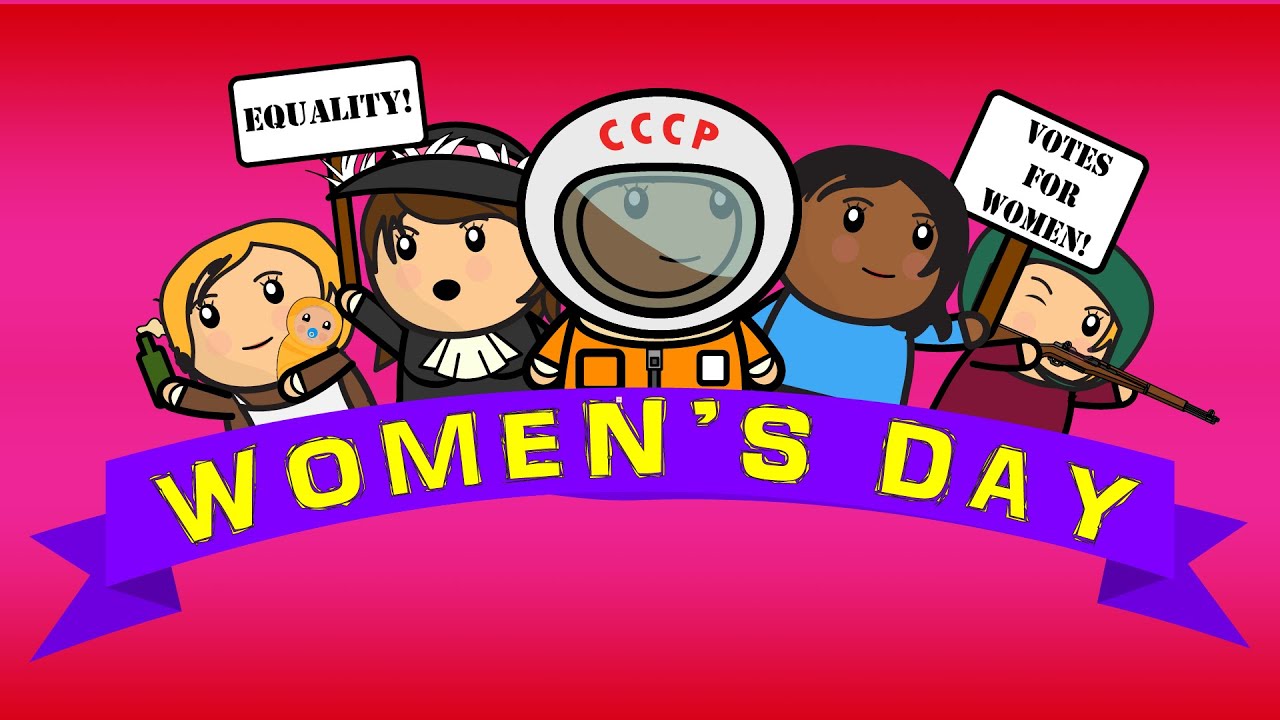
International Women's Day, celebrated annually on March 8th, is a powerful global observance. Far from being merely a day for celebration, it has historically served as a critical platform for advocacy, protest, and the continued fight for gender equality. While often marked by heartfelt tributes and recognition of women's achievements, a crucial dimension of this day lies in the vibrant, often defiant, protest slogans – or 8 März Frauentag Sprüche – that echo through streets and digital spaces worldwide. These slogans are more than just catchy phrases; they are condensed manifestos, revealing the core demands, frustrations, and aspirations of women and their allies. They offer a unique lens through which to understand the evolving landscape of feminist movements and the pressing issues of our time.
From the early 20th century, when women first marched for suffrage and labor rights, to contemporary demonstrations addressing systemic inequalities, reproductive freedoms, and climate justice, the messages conveyed through these powerful statements have consistently reflected the zeitgeist. They are snapshots of collective consciousness, capturing urgent calls for change and challenging deeply entrenched patriarchal structures. Understanding what these protest slogans reveal is key to grasping the ongoing struggle for a more equitable world.
The Historical Evolution of 8 März Frauentag Sprüche
The history of International Women's Day is intertwined with socialist movements and women's labor rights, originating from the struggles of working women in the early 1900s. Early 8 März Frauentag Sprüche would have likely focused on fundamental demands such as equal pay, better working conditions, and the right to vote. These were practical, immediate concerns that highlighted economic and political disenfranchisement. As the feminist movement gained momentum and broadened its scope, so too did the themes embedded within these protest cries.
In subsequent decades, slogans evolved to address a wider array of issues. The second-wave feminist movement of the 1960s and 70s saw slogans challenging traditional gender roles, demanding reproductive rights (e.g., "My Body, My Choice"), and bringing issues like domestic violence into public discourse. The transition into the late 20th and early 21st centuries introduced more nuanced and intersectional demands. Slogans began to reflect the understanding that gender inequality is often compounded by race, class, sexual orientation, and disability, leading to calls for inclusive feminism that leaves no woman behind. These historical shifts illustrate not only the progress made but also the persistent and evolving nature of the challenges women face globally. The very language and emphasis of these Frauentag protests reflect the societal changes and the ongoing fight.
Decoding the Core Themes of Modern Protest Slogans
Contemporary 8 März Frauentag Sprüche reveal a rich tapestry of demands, reflecting both universal struggles and region-specific concerns. While exact phrasing varies by language and local context, several core themes consistently emerge:
- Economic Justice: "Equal Pay for Equal Work," "Close the Wage Gap," "Fair Futures, Not Just Flowers." These slogans highlight the persistent economic disparities women face, from pay gaps to precarious work and insufficient social safety nets. They underscore the understanding that true liberation includes economic autonomy.
- Bodily Autonomy and Safety: "My Body, My Choice," "No Means No," "End Gender-Based Violence," "Reclaim Our Streets." These powerful statements address the fundamental right to control one's own body, free from violence, harassment, and reproductive control. They often resonate most strongly in regions where reproductive rights are under threat or gender-based violence is rampant.
- Political Representation and Leadership: "Women in Power, Power for All," "Elect Her," "Smash the Patriarchy." These slogans demand greater female representation in political office, corporate boards, and leadership roles, recognizing that true systemic change requires women at the decision-making tables.
- Intersectionality and Inclusion: "No One Is Free Until We Are All Free," "Listen to Black Women," "Trans Women Are Women." Increasingly, protest slogans emphasize the importance of intersectional feminism, acknowledging that women's experiences are diverse and that liberation must extend to all marginalized genders, races, sexual orientations, and abilities.
- Environmental and Climate Justice: "Climate Justice is Gender Justice," "Our Planet, Our Future, Her Voice." A growing number of slogans connect gender equality with environmental sustainability, recognizing that women, particularly in developing nations, are disproportionately affected by climate change.
Each slogan, whether simple or complex, serves as a rallying cry, condensing years of advocacy and struggle into an easily digestible and impactful message. They articulate shared grievances and unite diverse groups under common goals, making them invaluable tools for collective action.
The Power and Impact of Collective Voices
What makes these 8 März Frauentag Sprüche so potent? Their power lies in their ability to mobilize, educate, and provoke thought. When thousands of voices chant the same slogan, it creates an undeniable force that cannot be ignored. They condense complex issues into memorable phrases, making them accessible to a wider audience and fostering solidarity among participants. This collective expression of demands helps to amplify marginalized voices and bring critical issues to the forefront of public consciousness.
Protest slogans also serve as an important feedback mechanism for policymakers and society at large. They reveal where current policies are falling short, where societal norms need challenging, and what new priorities are emerging within the feminist movement. By analyzing the prevalence and evolution of specific slogans, we can gain insights into the most urgent issues being addressed by women's rights advocates globally. For a deeper dive into the broader influence, consider Unpacking Frauentag: The Impact of Protest Slogans.
Moreover, these slogans create a sense of community and shared purpose. For many women, participating in a protest and shouting a shared slogan is an empowering experience, reinforcing that they are not alone in their struggles. This communal aspect is vital for sustaining movements and fostering continued engagement.
Practical Steps: Engaging with International Women's Day Slogans
Beyond simply observing, there are many ways to engage meaningfully with the messages conveyed through International Women's Day slogans:
- Listen and Learn: Pay attention to the specific 8 März Frauentag Sprüche being used in protests both locally and globally. Research their origins and the issues they represent. This is a direct way to understand the current priorities of feminist movements.
- Reflect and Educate: Consider how these slogans challenge your own assumptions or deepen your understanding of gender inequality. Share your insights with others to foster broader awareness and dialogue.
- Support Advocacy: Many slogans are direct calls to action. Identify organizations working on the issues highlighted by powerful slogans (e.g., reproductive rights, anti-violence, economic justice) and offer your support, whether through donations, volunteering, or simply spreading their message.
- Craft Your Own Message: While amplifying existing calls, consider what unique Frauentag Sprüche might be relevant to your local community or personal experience. Thoughtful, concise messaging can be incredibly impactful.
- Demand Accountability: Use the demands articulated in these slogans to hold elected officials, employers, and community leaders accountable. Advocate for policies that address the inequalities highlighted by the protesters.
By actively engaging with the protest slogans of International Women's Day, individuals can move beyond passive observance to become active participants in the ongoing fight for gender equality.
Conclusion
International Women's Day is a testament to the enduring spirit of women and their allies who continue to push for a more just and equitable world. The 8 März Frauentag Sprüche chanted in protests around the globe are far more than mere words; they are the concentrated essence of a movement, revealing its history, its current struggles, and its future aspirations. From calls for economic parity and bodily autonomy to demands for intersectional justice and political representation, these slogans provide invaluable insights into the multifaceted nature of gender inequality and the unwavering resolve to overcome it. By listening to these powerful voices and understanding what they reveal, we can all contribute to building a society where every woman's potential is realized, and her rights are fully respected.